Better starting points, better AI images
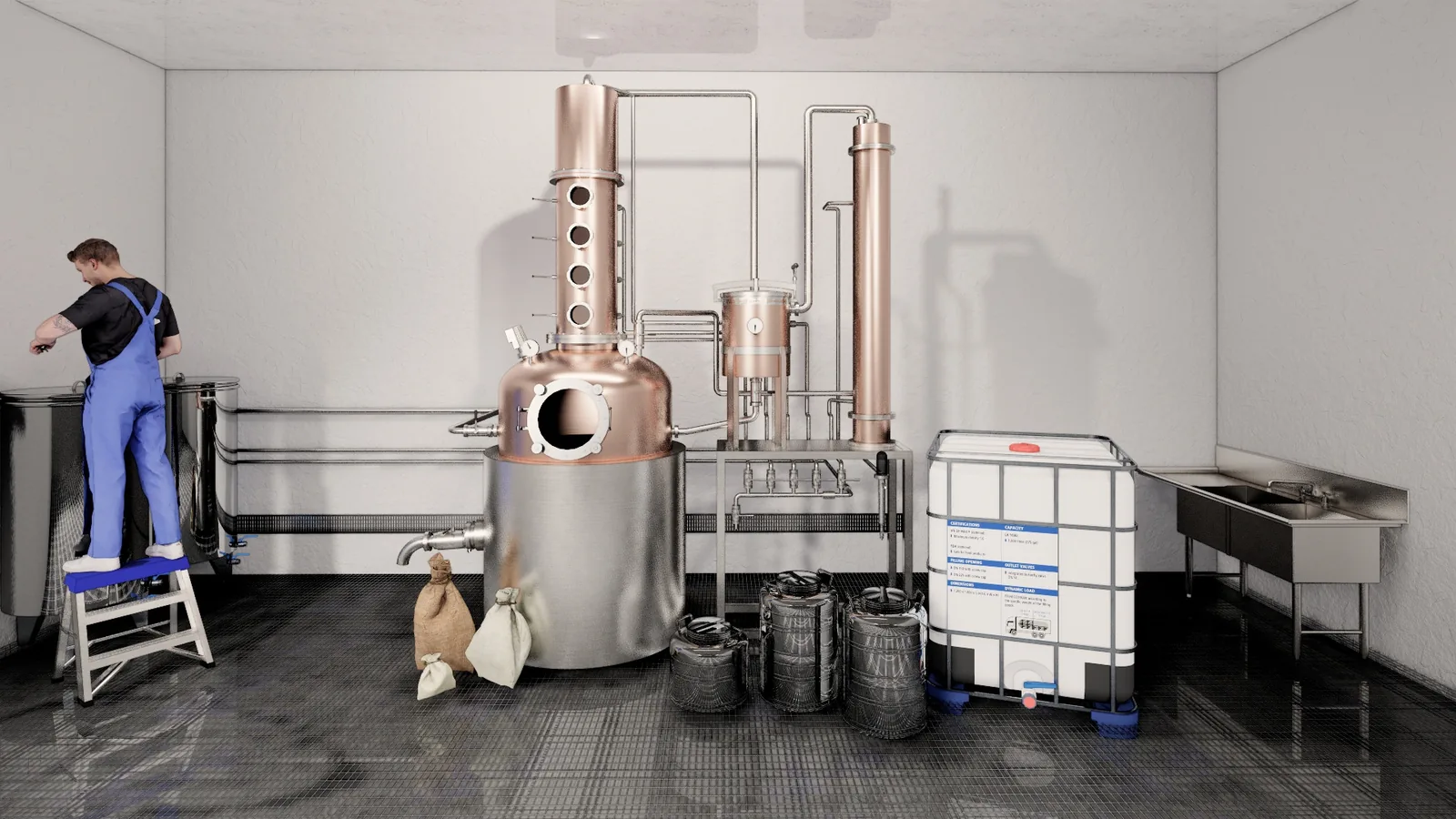
A few years ago, I spent a considerable amount of time producing renders for clients’ brochures and investment memoranda. These ranged from individual pieces of equipment to complete distillery layouts, including a few video walkthroughs.
With the arrival of AI image generation, there’s now no shortage of impressive-looking distillery imagery. Look a little closer, though, and the engineering often starts to unravel: condensers connected to nowhere, improbable agitators, heating arrangements that make little practical sense, and pipework that raises more questions than it answers.
I wanted to see what would happen with a stronger starting point.
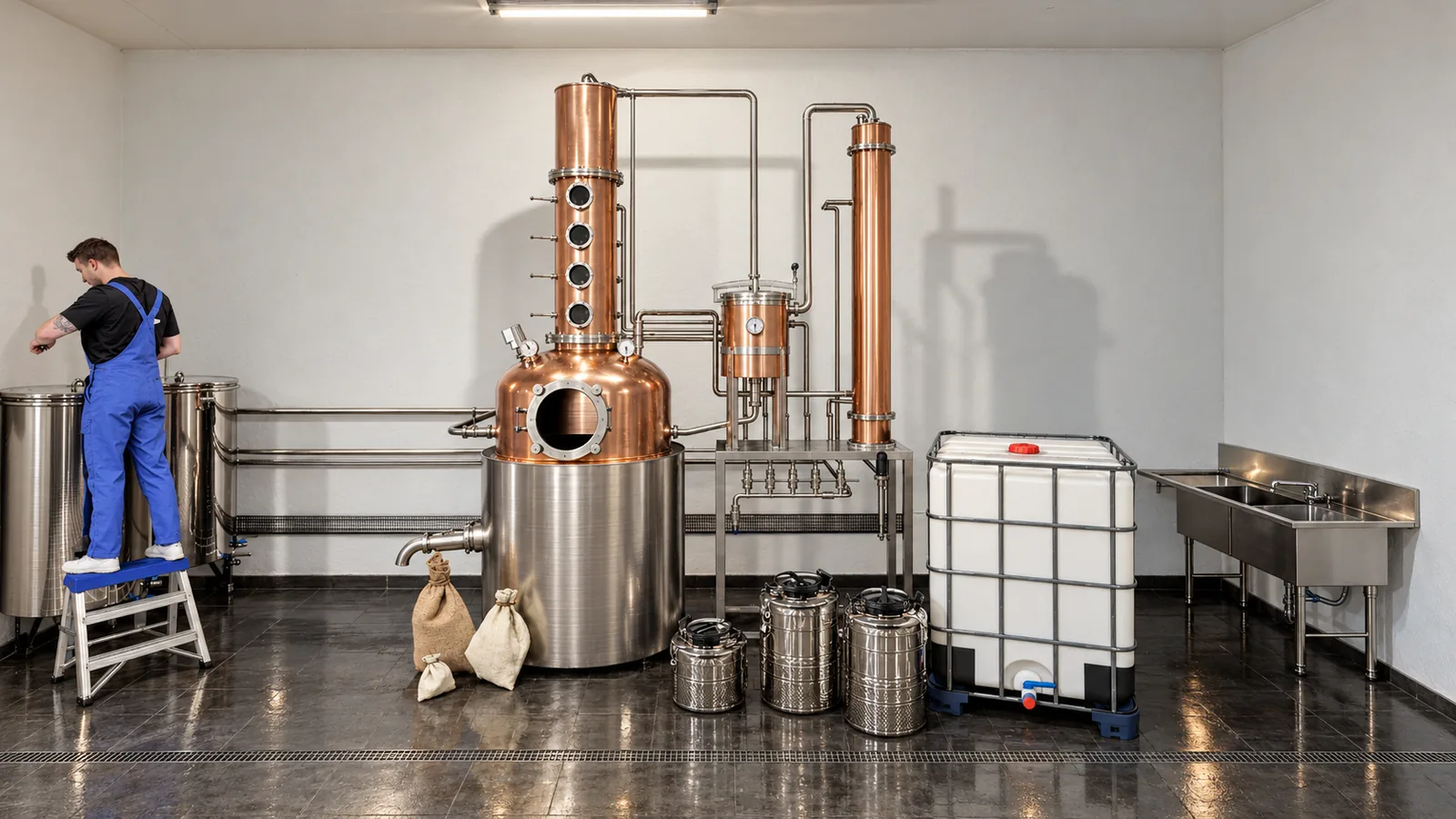
For this experiment, I took one of my original renders and used AI to improve its photographic realism—particularly the lighting, reflections and appearance of the copper and stainless steel.
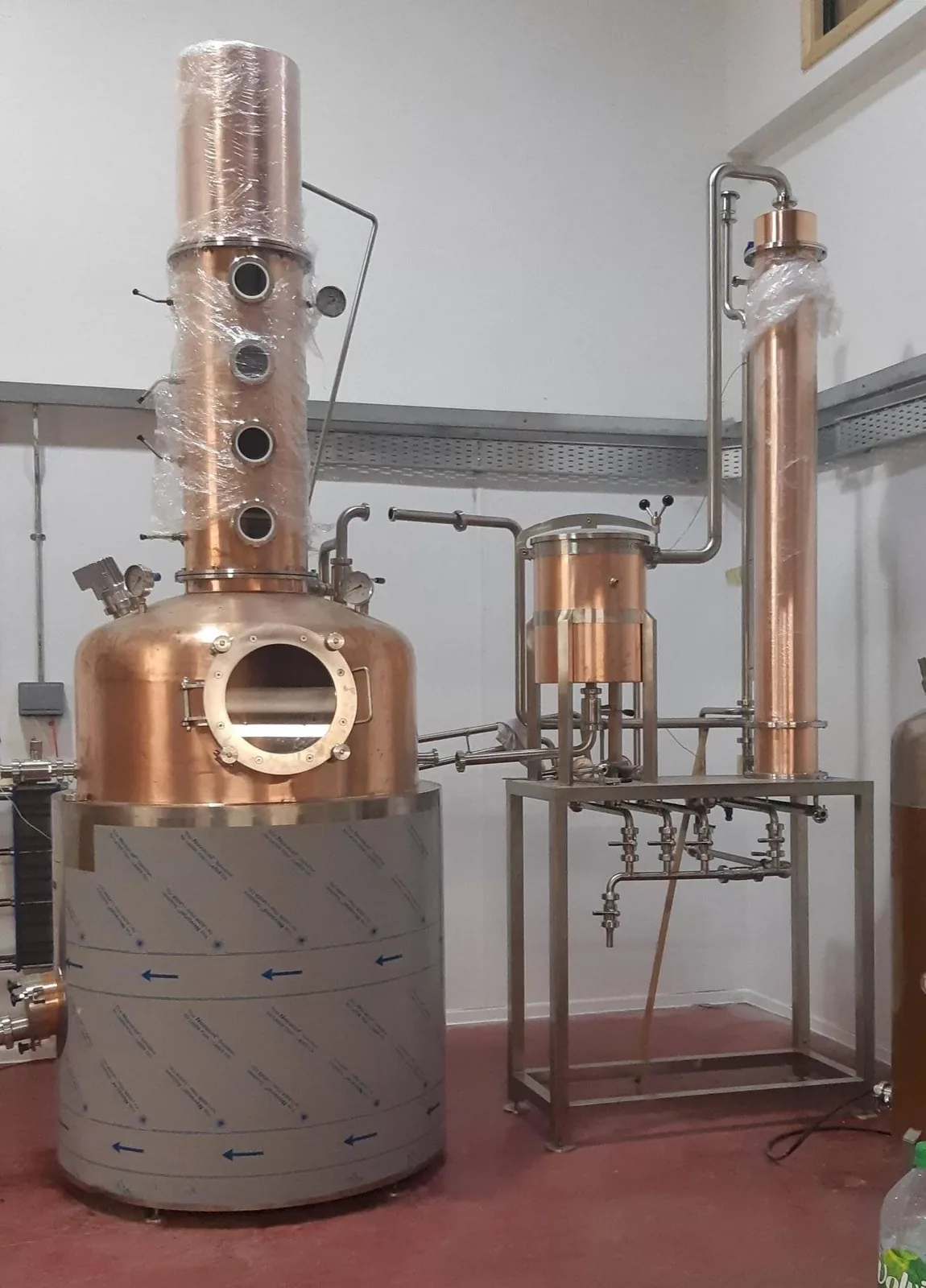
The underlying equipment model had a practical purpose. It was used by the fabricator to build and supply the finished still, so the starting geometry was already close to the equipment as built.
That gives the enhancement a much firmer foundation. The aim is to retain the engineering while improving how convincingly it is presented.
As with most things AI, the prompt matters enormously. Clear instructions about what to preserve are just as important as instructions about what to improve. The output still needs checking: a more convincing surface doesn’t guarantee that every detail has survived unchanged.
Below are the original render, created entirely by me, and the AI-enhanced version, followed by a photograph of the physical still being installed on site. The first two images are visualisations; the third shows the actual equipment.
For me, this is a useful application of AI: adding polish to a technically informed design, with a result that should stand up rather better to a second look.